
By Satyam Sharma
Updated: March 2026
7 min read
The Iran Israel war impact is raising global concerns as rising oil prices and supply chain risks begin to affect the global economy.
The escalating conflict between Iran and Israel is no longer just a regional geopolitical issue. It is beginning to influence global financial markets as uncertainty grows. Investors and policymakers are closely monitoring the situation because conflicts in the Middle East often affect energy prices, supply chains, and overall market sentiment.
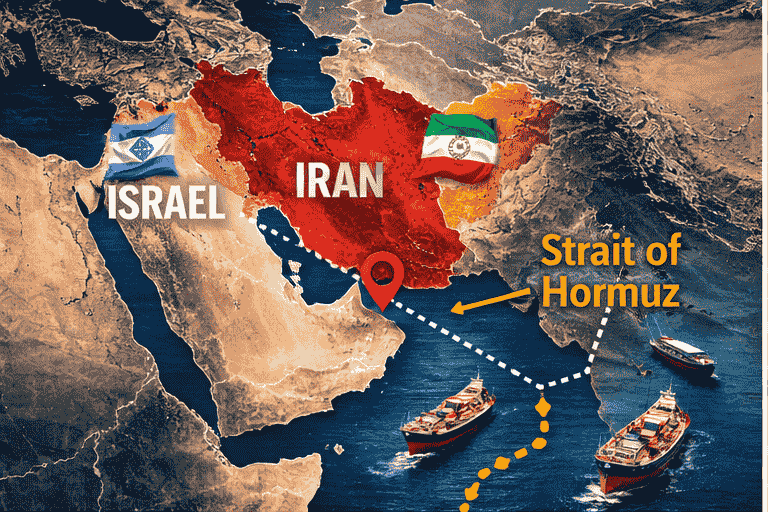
One of the most immediate concerns is the energy market. Rising tensions in the region can threaten key oil supply routes, particularly the Strait of Hormuz, which is among the world’s most critical oil shipping corridors. Any disruption in this area could significantly impact global oil prices and energy supplies.
As the situation continues to develop, investors worldwide are carefully watching movements in oil prices, shipping activity, and potential responses from central banks and governments.
The Iran Israel war impact on global economy is becoming a major concern for investors and policymakers worldwide.
Key Takeaways
- Oil prices often rise during Middle East conflicts
- The Strait of Hormuz is a critical global oil shipping route
- Gold typically strengthens as a safe-haven asset
- Global stock markets may experience higher volatility
Iran Israel War Impact on Oil Prices
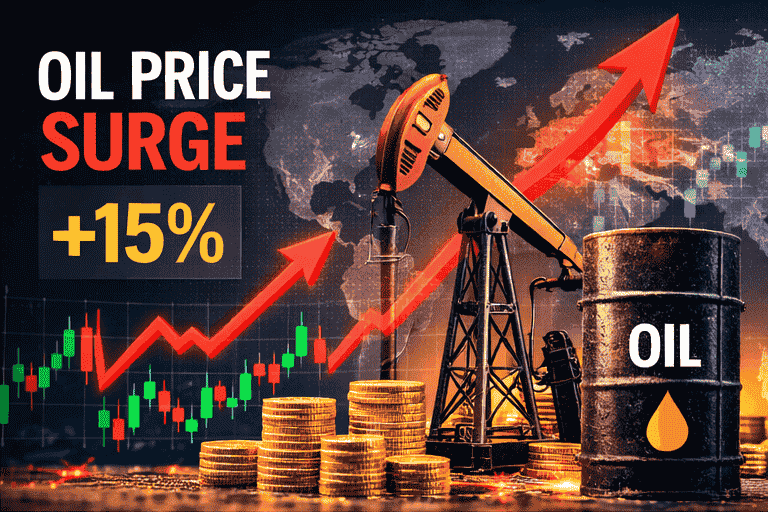
Energy markets are often the first to react when geopolitical tensions rise in the Middle East. After the escalation of the Iran–Israel conflict, global oil markets quickly responded. Brent crude oil prices briefly climbed above $82 per barrel, increasing by nearly 13% within just a few days as traders priced in the risk of potential supply disruptions.
A major reason for this reaction is the Strait of Hormuz, one of the world’s most critical oil transit routes. Roughly 20% of global oil supply passes through this narrow shipping corridor every day. Any disruption to tanker traffic in this region could immediately tighten global supply and push energy prices higher.
Energy analysts warn that if the conflict widens or shipping routes become unsafe, oil prices could potentially rise toward the $90–$100 per barrel range, increasing pressure on global energy markets and inflation worldwide.
Iran Israel War Impact on the Global Economy
Higher oil prices can directly impact global economic growth. Energy costs influence transportation, manufacturing, and consumer prices across many economies, meaning that sustained increases in oil prices can quickly spread through the broader economy.
According to analysts and officials from the International Monetary Fund (IMF), the overall economic impact of the Iran–Israel conflict will largely depend on three key factors:
• The duration of the conflict
• Potential damage to energy infrastructure
• Disruptions to major global trade routes
The IMF has previously warned that prolonged increases in energy prices could push inflation higher and slow global economic growth, creating additional pressure on governments and central banks worldwide.
Global Trade and Shipping Disruptions
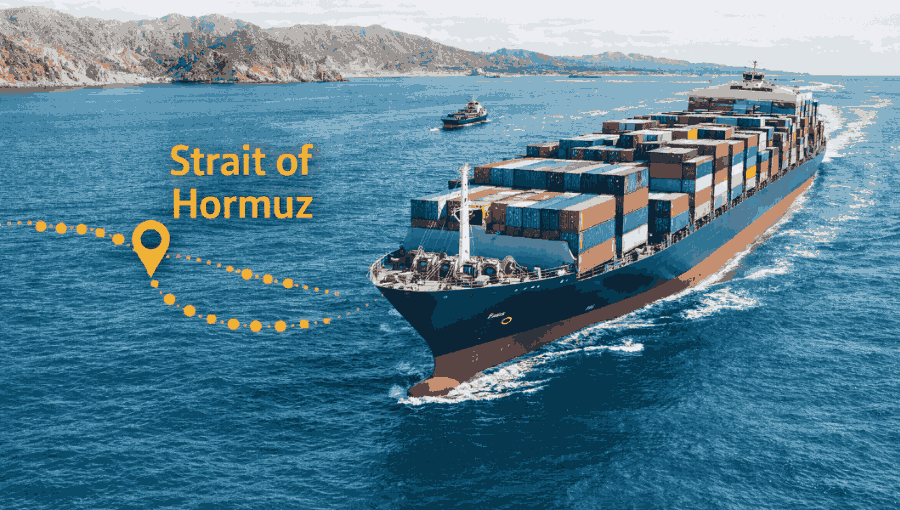
Global trade flows could also be affected if tensions escalate around major shipping routes. The Strait of Hormuz is one of the world’s most important maritime corridors, connecting Middle Eastern oil producers to global markets. Any instability in this region can quickly disrupt international trade and energy supplies.
Shipping companies have already reported higher insurance costs and the rerouting of some cargo vessels to avoid potential risks. These changes can increase transportation costs and place additional pressure on global supply chains.
If disruptions continue, the result could be higher shipping expenses, delays in deliveries, and rising costs for businesses and consumers worldwide, which may further contribute to global inflation.
Key risks to global trade include:
• Disruptions to shipping through the Strait of Hormuz
• Rising maritime insurance costs
• Higher transportation and logistics expenses
• Potential delays across global supply chains
Financial Markets Reaction
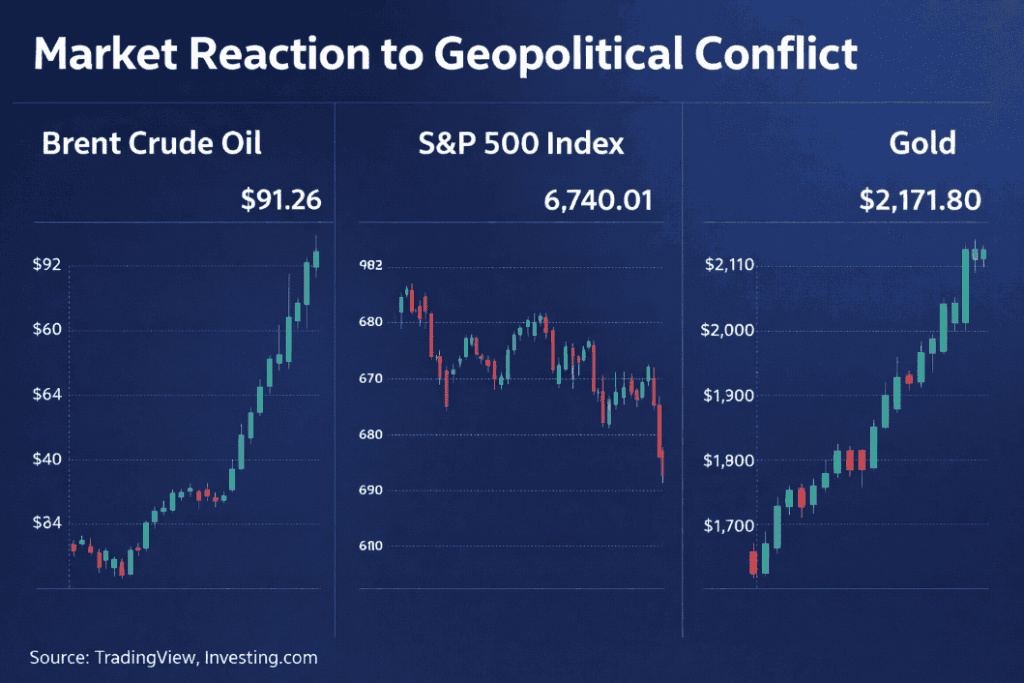
Market reaction to geopolitical conflict: oil prices rise, gold strengthens, and stock markets face volatility.
Financial markets usually react quickly to geopolitical risks. During the recent escalation of tensions, several sectors in the financial markets showed noticeable movements.
• Energy company stocks moved higher as oil prices increased
• Airline and transportation stocks faced pressure due to rising fuel costs
• Gold prices climbed as investors looked for safe-haven assets
• Global stock markets experienced higher volatility amid uncertainty
During periods of geopolitical uncertainty, investors often shift their money into safer assets such as gold, U.S. Treasuries, and the U.S. dollar to protect their portfolios from market instability.
As the situation continues to develop, investors and financial analysts are closely monitoring several key indicators, including oil prices, market volatility, and movements in safe-haven assets.
What Investors Should Watch
• Oil price movements (Brent crude)
• Shipping activity in the Strait of Hormuz
• Central bank reactions to inflation risks
• Volatility in global stock markets
• Demand for safe-haven assets such as gold
Conclusion
Source: IMF Global Economic Outlook Report